

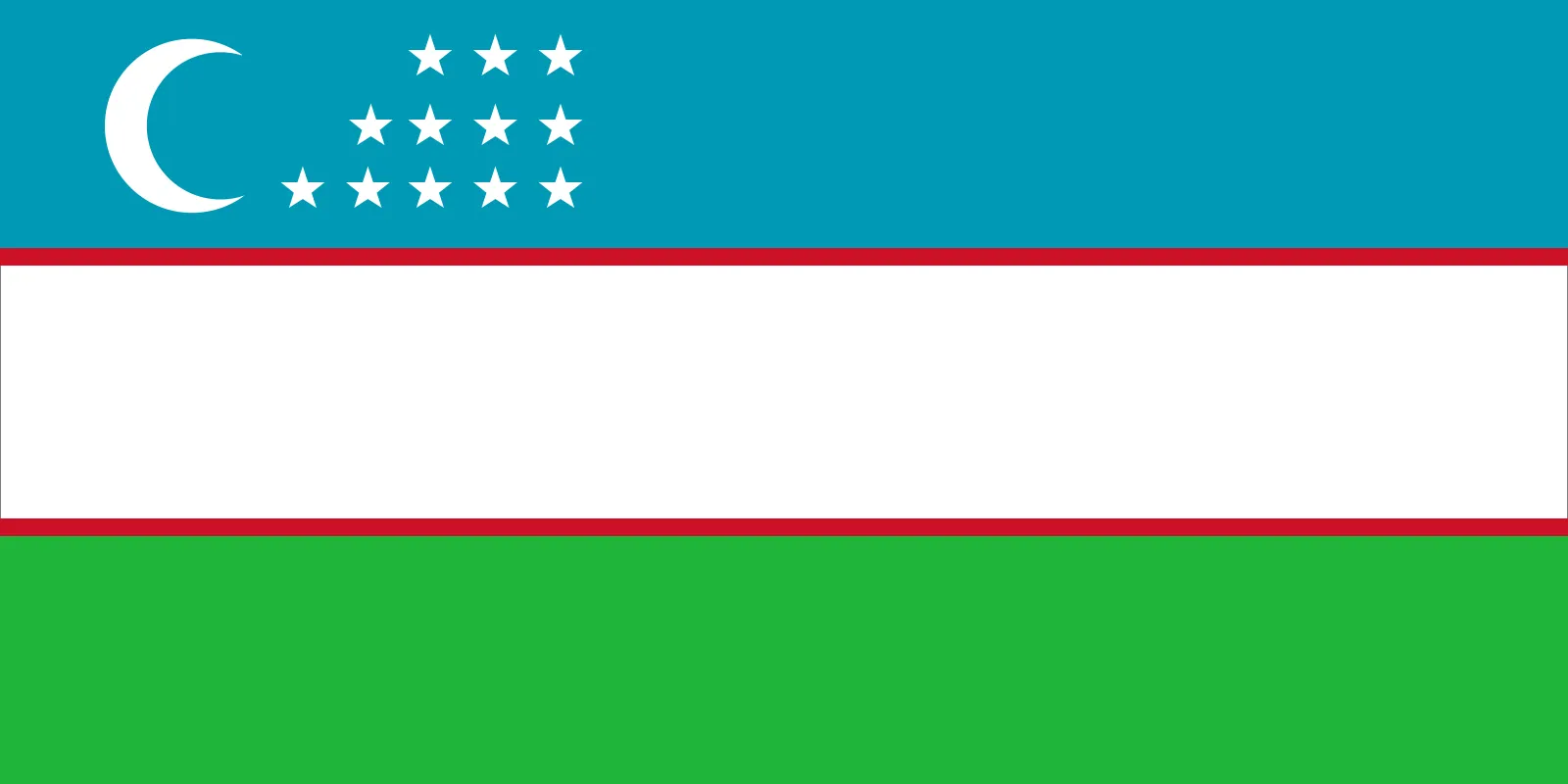



Apply for a residence permit in Uzbekistan

How to get a residence permit in Uzbekistan?
A residence permit in Uzbekistan is a status that allows a foreigner to stay in the country for a set period of time, from 5 to 10 years, and enjoy the rules and rights of a resident. Immigrants can obtain a long-term visa according to their planned activity—this can be work, study, or business—which usually lasts up to 12 months on average, with the possibility of extension, after which they can obtain a temporary residence permit (TRP), issued upon arrival. Russians, Ukrainians, and Belarusians have the opportunity to move to Uzbekistan and, of course, on the basis of a visa-free agreement, obtain immigration status without additional requirements.
A residence permit in Uzbekistan looks like a document with the owner’s personal data, presented in a unified format, and is issued to individuals who register permanent residence in the territory of the Republic. This opportunity can be used by family members of local residents, investors, property buyers, and temporary asylum seekers. Obtaining residency is the first step for an immigrant toward obtaining local citizenship and, in general, naturalization. Of course, a foreigner has the right to apply for an Uzbek passport after 5 years of residence with a residence permit in the country.
I also want to briefly tell you about the privileges that a residence permit in Uzbekistan provides. First of all, it allows staying in the Republic for a set period, with the right of unlimited entry and exit. Of course, it includes access to the labor market, free medical assistance in hospitals without medical insurance, education in universities, colleges, academies, language courses, and more. Banking services, the ability to migrate with a minor child, register a business of any form including sole proprietorship, and purchase shares of operating companies are also included. In addition, there is the state right to appeal to justice or courts, obtain allowances, and, of course, pensions.
The basis for obtaining a residence permit in Uzbekistan for a foreigner may be a temporary residence permit in Uzbekistan, a valid national visa, or, on the basis of a visa-free agreement, the applicant arrives in the country with the relevant document and registers at the place of residence in the nearest Ministry of Internal Affairs office within one working day. After submitting the documents, the authorized person carries out the temporary registration of the applicant using the system, and the foreigner can stay in Uzbekistan until the expiration of the corresponding entry document, or longer if a visa extension is requested.
A residence permit in Uzbekistan is issued to an applicant who registers permanent residence in the country. Legislation also provides certain grounds for issuing the document. First of all, this includes the purchase of real estate. Obtaining a residence permit is available to persons who own residential property in the country. Certain regions set requirements for the price of real estate. For example, in Tashkent, a migrant needs to purchase an apartment or house worth at least $300,000 to obtain a residence permit.
The second format is family reunification. Here, it is necessary to register permanent residence and a residence permit for those moving to relatives, for example, in a direct line of the first or second degree. Guardians can register minors, for example, brothers or sisters under 18 years old, and, of course, by providing a death certificate or proof of parents’ incapacity. Permanent registration is possible for the family of Uzbek citizens or residents with a residence permit.
If we talk about marriage, permanent residence registration with subsequent obtaining of a residence permit is possible for spouses of residents and citizens of Uzbekistan after 5 years of marriage. Employment is possible, and the right to permanent registration is available to highly qualified foreign specialists working in Uzbek state bodies. The spouse and minor children can also emigrate and obtain local documents.
In addition, there is also the format of political asylum. Of course, obtaining a residence permit is available to applicants who cannot stay in their territory due to threats to life and health, for example, due to racial or religious persecution. Refugees can emigrate together with family members.
We can also consider the format of ethnic affiliation. This applies if registration of stay in Uzbekistan is allowed for foreign citizens who are former local residents or persons born in the territory of the Republic and later moved abroad. Permanent residence is also available for family members of ethnic Uzbeks, for example, a husband, wife, and their minor children.
There are several stages of obtaining a residence permit. First, I would highlight the visa and relocation to the Republic. A foreigner may arrive in Uzbekistan on the basis of a visa-free regime or with an entry permit obtained on their own basis, for example, family reunification. The visa is requested by the migrant at the diplomatic mission in their home country.
The second stage I would highlight is permanent registration. Upon arrival in Uzbekistan, the applicant applies to the nearest Ministry of Internal Affairs unit to obtain permanent registration at the place of residence. The applicant provides the necessary dossier and pays the state fee.
The next stage is obtaining the residence permit. Foreigners registered in Uzbekistan on a permanent basis can request a local residence permit by applying to the immigration and citizenship department of the Ministry of Internal Affairs with the required documents. The consideration period by each competent authority, such as the Ministry of Internal Affairs or the National Security Service, should not exceed 30 days.
Additionally, the final stage is, of course, the issuance of the residence permit and the provision of a certificate of deregistration from the home country. After approval of the request for obtaining an Uzbek residence permit, the immigrant must present a certificate of deregistration to the Ministry of Internal Affairs. This document is requested by the applicant in their home country if there is a registration system.
Russians, Ukrainians, and Belarusians wishing to move to Uzbekistan for temporary residence can cross the border without a visa, and then, within three working days, register their place of stay in the territorial bodies of the Ministry of Internal Affairs. The period of stay in the Republic will be limited, of course, by the duration of the entry permit or the framework of the visa-free agreement.
Of course, you may ask: What is needed to obtain it? First of all, an applicant for residence in Uzbekistan must meet the following criteria: presence of grounds for obtaining long-term registration, no criminal record, submission of a complete dossier, absence of threats to society, and compliance with national security and defense requirements.
The list of documents you must prepare includes paying state fees, ensuring compliance with applicant requirements, and following the rules for obtaining the permit. I highlight the main documents you should prepare: the application form in two copies, a valid international passport or travel document for stateless persons, documentary proof of housing ownership with the intent to register the applicant, originals of real estate documents, birth, marriage, or death certificates of parents (if applicable), a certificate of no criminal record from the home country, proof of payment of the state fee, and two photos (3.5 x 4.5 cm).
The application for a residence permit in Uzbekistan is submitted to the nearest Ministry of Internal Affairs office. The applicant has the right to make a preliminary appointment through the unified portal of interactive government services. A sample of the completed application form for obtaining a residence permit can be found on the official website of the Migration and Citizenship Department. You can also subsequently check the status of your application.
The total cost of obtaining a residence permit includes three criteria: the visa, costing from $40 to $400; temporary or permanent registration, about $10–20; and the residence permit itself, around $27. To obtain a residence permit, you will need to organize relocation, rent housing, and make multiple visits to migration services, which, as you understand, is not very cheap. Nevertheless, there is also a standard alternative: naturalization, obtaining a passport in the same or other countries without mandatory residence status.
If you ask whether there is a possibility of refusal or annulment of the status, of course, such cases exist. I would highlight the main reasons for refusal to provide permanent registration and a residence permit in Uzbekistan: committing offenses while staying in the Republic, providing false information in the dossier, submitting an incomplete or incorrectly filled application, participation in criminal organizations, posing a threat to state security, public order, and, of course, recognition of guilt for committing crimes on the territory of the Republic with subsequent punishment.
A residence permit in Uzbekistan loses its validity in the following cases: the applicant leaves for permanent residence in another country, failure to extend the document within the established period, obtaining citizenship of Uzbekistan or another country, renunciation of previous national status, provision of false information, or forged documents for obtaining a residence permit.
To prevent being denied a long-term residency visa in Uzbekistan, I suggest constantly carefully reading the local migration laws, putting up a thorough and detailed dossier, making sure the applicant meets all the criteria, and properly following the regulations for getting the permission. If you can, go to a migration lawyer or an expert in international law to get the status you want.
The next stage is the extension of your residence permit and obtaining citizenship. The residence permit in Uzbekistan, issued to adult applicants, is valid for 5 years from the date of issuance, but no longer than until the annulment of the national passport. For persons aged 60 and older, including retirees, a residence permit is provided immediately for 10 years. Upon expiration, the foreigner has the right to request an extension for another 60 months. The residence permit can be extended a maximum of five times, after which citizenship is granted.
Uzbek citizenship is obtained through the general naturalization process for immigrants five years after obtaining the initial residence permit, provided continuous residence in the Republic, and the status is granted only after renouncing the first passport. Therefore, this option does not always suit applicants, and sometimes some clients choose other migration programs.
...

We will arrange a meeting with a World Immigration Hub specialist for you in person or online format
During the meeting, the specialist will:
- Explain how we work and how we can help you.
- Explain the immigration process step-by-step, presenting the roadmap, budget, and financial requirements.
- Share our immigration experience and discuss key points you should know before starting your journey.
- Determine the next steps together with you.
Depending on the project’s complexity, the meeting with the manager may be coordinated with experts, designers, and assistants.

Natalia Kovalenko
Immigration Consultant
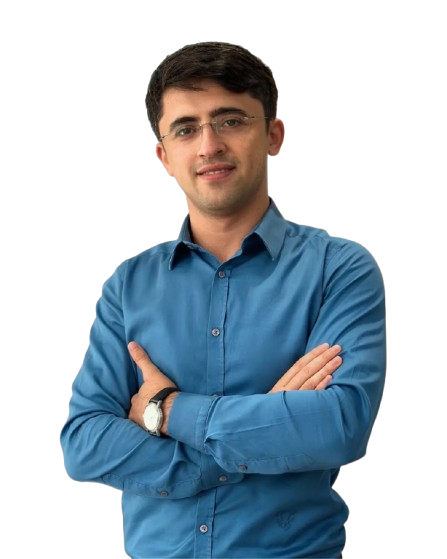
Mehman Asadzade
Immigration Lawyer