








Jobs in Uzbekistan for Pakistani

How to find work in Uzbekistan for Pakistanis
In today’s blog, I will tell those Pakistanis who want to come to Uzbekistan as a laborer or worker, that they will support their family by coming here.
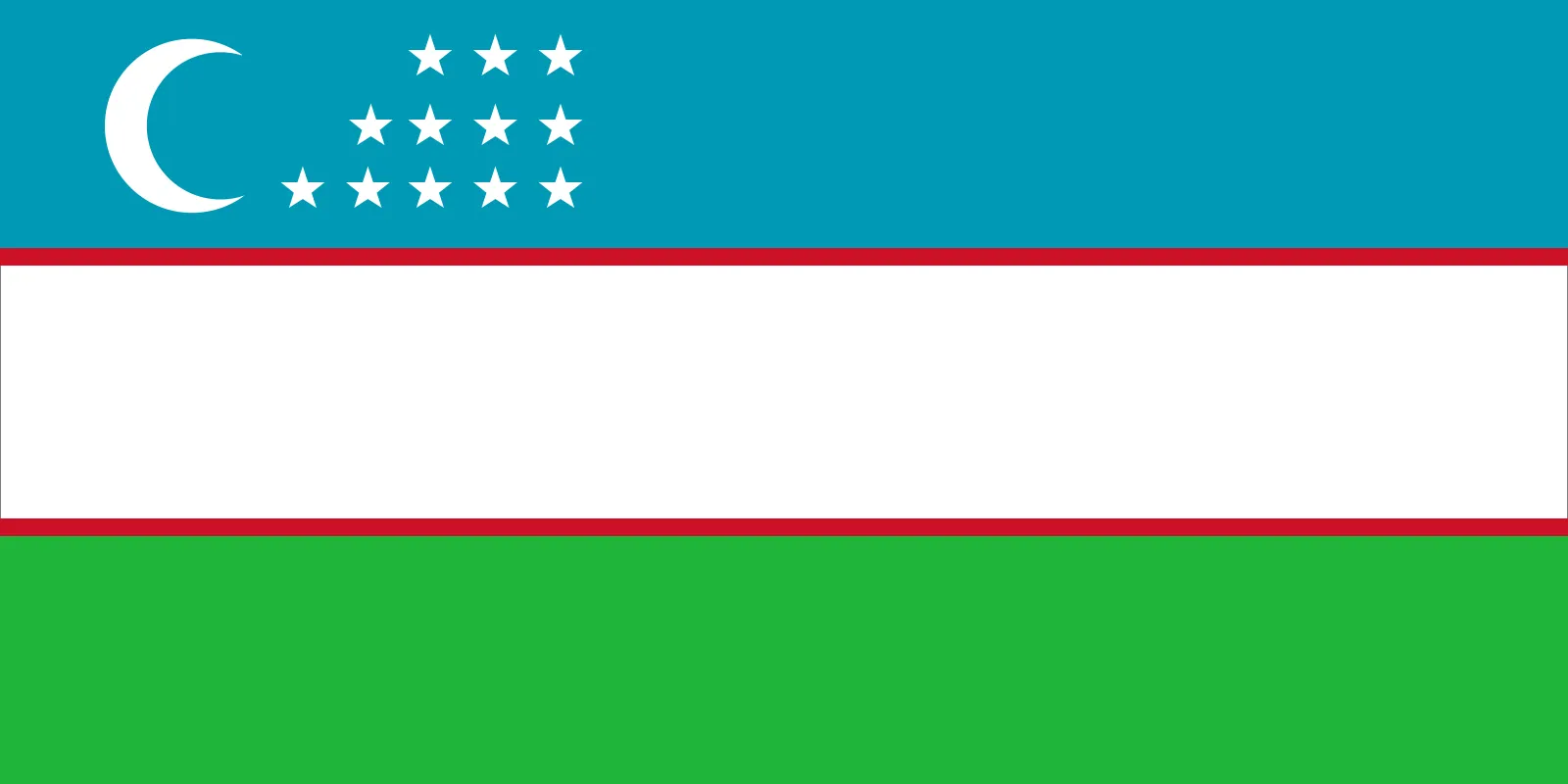
So first, let me tell you some important things about Uzbekistan. This Uzbekistan is an Asian country, not a European country. It is not an English-speaking country; English is not spoken here. Their native language is Uzbek, which is spoken here.
If we talk about the currency here, the currency is called “Som.” Just like in Pakistan the currency is Rupee, here it is Som. Currently, 1 Pakistani Rupee equals roughly 45 Som. This means that the currency of Uzbekistan compared to Pakistani currency is lower.
Now, if we talk about salary packages, sorry, let me repeat. The average salary here is slightly lower than in Pakistan. In the capital, the situation is a bit better, but outside the capital, salaries are very low. But there is basically no unemployment here, unlike in Pakistan. But the salary packages are low. So if people want to come here as laborers or workers, they should forget that idea. Uzbekistan is not like Dubai, Saudi Arabia, Sharjah, Qatar, or Oman, where as a laborer you can come and earn hundreds of thousands. Here, they already have plenty of workers, so your labor is not needed.
Now, if we talk about visas, some people want to know the visit visa procedure. Since Imran Khan’s government ended, for about 2–2.5 years, the visit visa fees have been completely closed. The Uzbek government likes Imran Khan very much. I am not speaking politically; I am sharing general information based on my four-year experience here.
Visit visas have been closed permanently for the past 2–2.5 years. Besides visit visas, there are three types of visas: student, business, and e-Visa. The student visa is like mine; I came here on a student visa. Besides that, you can come on two other types of visas: e-Visa (also called employee or worker visa) and business visa.
First, I will talk about the e-Visa. You can only get an e-Visa if you have some skill, whether in the mechanical field, medical field, or textile industry. There are many textile mills here, and many Pakistanis are employed in them. But they are not normal laborers; they are skilled engineers or operators, and they earn a decent salary.
So, if you have any skill, a company can sponsor you and send you a visa invitation called “Lex.” You can only get a visa if you have a skill. If you have no skill, you cannot just come here on a visit visa and work in restaurants or do other jobs like in Dubai or Qatar. You need a skill first.
Now, the second type is the business visa. For a business visa, first, you must have at least $700 (approximately 90,000 Pakistani Rupees) to get a 15-day or one-month business visa. Second, you must have an investment of at least $2,000 (about 90–95 lakh Pakistani Rupees). With this, you can start a small café, shop, or low-level restaurant.
The third thing is language. As I mentioned earlier, this is not an English-speaking country. The native languages are Uzbek and Russian. Russian is widely understood like Urdu in Pakistan. If you know Russian, communication will be much easier, but learning it takes at least three to four months.
So, the conclusion of today’s video in simple words is that you cannot get an e-Visa easily. A business visa is only possible if you have the required payment and investment. I haven’t included ticket costs, which are around 80–85 thousand Pakistani Rupees. The success of your business here depends on investment, salary expectations, and language barrier.
If you think you can come here like Dubai or Saudi Arabia on a visit visa and find work in 2–3 months, that is not possible. The maximum salary you can expect as a Pakistani worker here is around 30–35 thousand Pakistani Rupees.
Related

We will arrange a meeting with a World Immigration Hub specialist for you in person or online format
During the meeting, the specialist will:
- Explain how we work and how we can help you.
- Explain the immigration process step-by-step, presenting the roadmap, budget, and financial requirements.
- Share our immigration experience and discuss key points you should know before starting your journey.
- Determine the next steps together with you.
Depending on the project’s complexity, the meeting with the manager may be coordinated with experts, designers, and assistants.

Natalia Kovalenko
Immigration Consultant

Mehman Asadzade
Immigration Lawyer